Embark on a journey into amateur radio, exploring communication, experimentation, and public service! This guide aids in licensing, propagation, and radio operation mastery.
The General license represents a significant step forward in amateur radio privileges. It unlocks access to a wider range of frequencies, including HF bands, enabling long-distance communication and diverse operating modes. This license is ideal for those eager to explore DXing, contesting, and advanced digital techniques.
Preparation involves studying FCC regulations, radio theory, and operating practices. Resources like the ARRL License Manual and online practice tests are invaluable. Successful completion demonstrates a solid understanding of responsible radio operation and opens doors to a vibrant community of ham radio enthusiasts.
II. Understanding FCC Regulations
FCC regulations govern all aspects of amateur radio operation, ensuring responsible use of the radio spectrum. Key areas include licensing requirements, permissible emission types, and station identification protocols. Familiarity with Part 97 of the FCC rules is crucial for General license holders.
Understanding frequency allocations and band plans prevents interference and promotes harmonious operation. Operators must adhere to power limits and avoid transmitting on prohibited frequencies. Compliance with these regulations is essential for maintaining operating privileges and upholding the integrity of the amateur radio service.
III. Radio Operating Practices
Effective radio operation demands adherence to established practices. Proper station identification is paramount – clearly state your call sign at designated intervals. Respect band plans, utilizing frequencies appropriately for the mode and privilege level.
Maintain concise and clear communications, avoiding unnecessary length or jargon. Listen before transmitting to prevent interference. Embrace courteous behavior and assist fellow operators. These practices foster a positive and collaborative amateur radio community, ensuring enjoyable and productive on-air experiences.
A. Proper Station Identification
Accurate station identification is a fundamental operating practice. Transmit your assigned call sign audibly at the end of each transmission, and at intervals specified by the FCC regulations. This ensures traceability and accountability on the airwaves.
During contests or emergency traffic, identification requirements may differ, so familiarize yourself with those specific rules. Consistent and correct identification is crucial for maintaining a lawful and respectful operating environment within the amateur radio community.
B. Frequency Usage and Band Plans
Understanding band plans is vital for responsible operation. Different frequencies are designated for specific modes and activities – voice, data, contesting, and emergency communications. Adhering to these plans minimizes interference and promotes harmonious sharing of the spectrum.
The ARRL publishes detailed band plans, and operators should consult them regularly. Respecting frequency allocations ensures a positive experience for all licensed amateur radio operators and maintains regulatory compliance.
IV. Antenna Theory and Construction
Antennas are crucial for transmitting and receiving radio signals. Understanding their principles – gain, radiation patterns, and impedance – is key to efficient communication. Explore various designs like dipoles, Yagis, and ground planes, each suited for different applications.

Proper antenna construction and tuning are essential. SWR (Standing Wave Ratio) indicates how well the antenna matches the transmitter; minimizing SWR maximizes power transfer and prevents damage.
A. Antenna Types (Dipole, Yagi, Ground Plane)
Dipole antennas are simple, balanced, and widely used, offering an omnidirectional pattern. Yagi-Uda antennas provide high gain and directivity, ideal for long-distance communication. Ground plane antennas utilize a conductive surface, offering a low-angle radiation pattern suitable for mobile or base stations.
Each type has unique characteristics impacting performance. Understanding these differences allows operators to select the optimal antenna for specific frequencies and desired coverage areas.
B. SWR and Antenna Tuning
Standing Wave Ratio (SWR) measures impedance mismatch between the transmitter, feedline, and antenna. A low SWR (ideally 1:1) indicates efficient power transfer. High SWR can damage the transmitter and reduce signal strength.
Antenna tuning adjusts the antenna’s impedance to match the feedline, minimizing SWR. Techniques include adjusting antenna length or using an antenna tuner. Proper tuning maximizes performance and protects equipment.
V. Propagation
Radio propagation describes how radio waves travel from transmitter to receiver. Understanding this is crucial for successful communication. Ionospheric layers (D, E, F) reflect HF signals, enabling long-distance communication.
Solar activity, like sunspots and flares, significantly impacts propagation. Increased activity enhances HF propagation, while disturbances can disrupt it. Predicting these conditions helps optimize communication strategies and band selection.
A. Understanding Ionospheric Layers
The ionosphere, extending from about 60km to 1000km, contains layers – D, E, F1, and F2 – that reflect radio waves. The D layer absorbs HF signals during daylight, diminishing long-distance communication. E layer supports shorter-range skip, while F layers facilitate long-distance DXing.
Layer height varies with time of day and solar activity. Understanding these variations is key to predicting usable frequencies and propagation paths for effective amateur radio operation.

B. Effects of Solar Activity
Solar activity, including sunspots, flares, and coronal mass ejections, dramatically impacts radio propagation. Increased sunspot numbers generally correlate with improved HF conditions, extending usable frequencies and distances. Solar flares can cause shortwave fadeouts, disrupting communication.
Geomagnetic storms, triggered by coronal mass ejections, can disrupt the ionosphere, leading to auroras and unpredictable propagation. Monitoring the solar index (K-index) helps predict these effects.
VI. Electrical Principles
Understanding electrical principles is crucial for ham radio. Ohm’s Law (V=IR) defines the relationship between voltage, current, and resistance. Circuit components like resistors, capacitors, and inductors shape electrical signals. DC (Direct Current) flows in one direction, powering most electronics.
AC (Alternating Current) periodically reverses direction, commonly used for power transmission. Grasping these concepts is vital for safe and effective radio operation and troubleshooting.
A. Ohm’s Law and Circuit Components
Ohm’s Law, expressed as V=IR, is fundamental: Voltage (V) equals Current (I) times Resistance (R). Resistors impede current flow, capacitors store energy, and inductors create magnetic fields. Series circuits offer a single path for current, while parallel circuits provide multiple paths.
Understanding these circuit components and their interactions is essential for building, modifying, and troubleshooting radio equipment, ensuring optimal performance and safety.
B. AC vs. DC Current
Direct Current (DC) flows in one direction, like from a battery, providing a steady voltage. Alternating Current (AC) periodically reverses direction, commonly used in power grids. Frequency measures AC cycles per second (Hertz). Radio Frequency (RF) is also AC, but at much higher frequencies.
Ham radio utilizes both; DC powers circuits, while AC forms the carrier waves for transmitting signals. Understanding their differences is crucial for safe and effective operation.
VII. Digital Modes
Digital modes expand communication beyond voice, offering text and data transmission. PSK31, FT8, and RTTY are popular choices, each with unique characteristics for range and bandwidth. FT8 excels in weak signal conditions, while RTTY provides robust text communication.
A digital interface connects your radio to a computer, enabling encoding and decoding of these signals. Mastering these modes unlocks new possibilities for contesting, emergency communication, and global contacts.
A. PSK31, FT8, and RTTY
PSK31, a narrow-bandwidth mode, is ideal for crowded bands, enabling communication even with low power. FT8, renowned for its weak-signal performance, facilitates contacts across vast distances with minimal signal strength. RTTY, a robust text-based mode, offers reliable communication, historically used for maritime operations.
Understanding each mode’s strengths and weaknesses is crucial for effective operation. Experimentation will reveal which best suits your needs and propagation conditions.
B. Digital Interface Setup
Connecting your radio to a computer for digital modes requires a suitable interface. Sound card interfaces (using the radio’s audio outputs) are common for PSK31 and RTTY. More advanced modes, like FT8, often benefit from dedicated digital mode interfaces (DMUs) offering improved performance.
Software configuration is key; ensure proper audio levels and PTT (push-to-talk) control. Correct setup guarantees successful digital communication.
VIII. Emergency Communications
Amateur radio plays a vital role in disaster relief when traditional systems fail. Hams provide critical communication links, assisting emergency services and affected communities. Understanding emergency power systems – batteries, generators – is crucial for maintaining operation during outages.
Training and participation in emergency exercises enhance preparedness. Reliable communication can save lives during critical situations.
A. Role of Amateur Radio in Disaster Relief
During emergencies, amateur radio often steps in when commercial and government systems are overwhelmed or unavailable. Volunteer radio operators provide essential communication support, relaying critical information to emergency services, hospitals, and affected individuals.
This includes health and welfare traffic, damage reports, and coordinating relief efforts. Hams are often the ‘last mile’ of communication, offering a vital lifeline when all else fails.
B. Emergency Power Systems
Reliable power is crucial for effective emergency communication. Amateur radio operators frequently utilize backup power systems to maintain operation during outages. Common solutions include battery power, generators, and solar setups.
Understanding battery technologies – lead-acid, lithium-ion, etc. – is vital for efficient energy storage. Proper system maintenance and safety protocols are essential for dependable performance when needed most, ensuring continuous communication capabilities.
IX. VHF/UHF Operation
VHF and UHF bands are popular for local communication due to their shorter wavelengths. Repeaters extend range, requiring adherence to proper etiquette – identifying yourself and respecting talk time. Satellite communication offers unique opportunities, but demands understanding of orbital mechanics and Doppler shift.
Effective VHF/UHF operation involves selecting appropriate antennas and understanding signal propagation characteristics within these frequency ranges, maximizing communication potential.
A. Repeater Operation and Etiquette
Repeaters significantly extend your VHF/UHF range, but require respectful operation. Always identify with your callsign before transmitting and limit your transmission time to allow others access. Listen before transmitting to avoid interfering with ongoing conversations.
Understand the repeater’s input and output frequencies, offset, and any specific rules. Avoid excessive power and be mindful of courtesy – good etiquette ensures a positive experience for all users.
B. Satellite Communication Basics
Amateur radio satellites offer unique communication paths, bouncing signals across vast distances. Understanding orbital mechanics and Doppler shift is crucial for successful contacts. You’ll need to calculate frequencies based on the satellite’s position.
Antenna tracking is often necessary, utilizing azimuth and elevation controls. Familiarize yourself with satellite schedules and operating modes before attempting a QSO. Patience and precise calculations are key!
X. HF Operation
High-Frequency (HF) operation unlocks worldwide communication possibilities. Understanding HF bands – 80, 40, 20, 15, and 10 meters – is vital, as propagation varies with frequency and time of day. DXing, or long-distance communication, is a popular pursuit.
Participate in contesting to test your skills and make numerous contacts. Effective logging and understanding band plans are essential for courteous operation. HF requires a good antenna system and careful tuning.
A. Understanding HF Bands
HF bands offer diverse propagation characteristics. The 80-meter band excels for regional communication, while 40 meters is versatile. Twenty meters is favored for DXing, offering long-distance contacts. Fifteen and ten meters shine during solar maximums, enabling global reach.
Band plans dictate permitted modes and activities. Familiarize yourself with these guidelines for courteous operation. Propagation prediction tools help anticipate optimal conditions for specific bands and distances.
B. DXing and Contesting
DXing, or distant station hunting, is a rewarding pursuit on HF. Utilize propagation forecasts and band conditions to target rare contacts. Contesting involves exchanging information with numerous stations within a set timeframe, testing skills and equipment.
Contests promote rapid operating techniques and signal reporting. DXpeditions, journeys to remote locations, offer unique opportunities for DXing. Respect band plans and contest rules for fair play and efficient operation.
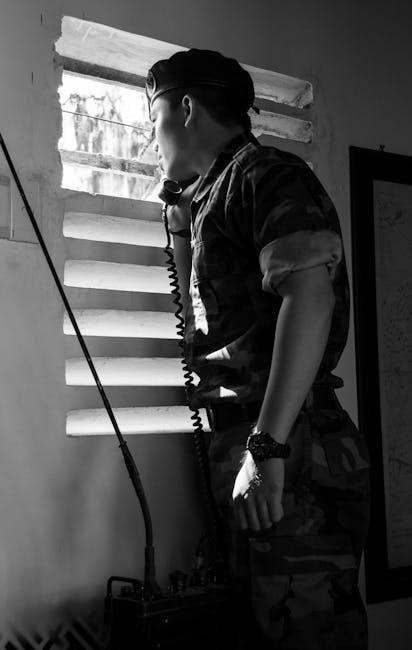
XI. Practice Exams and Study Materials
Solid preparation is key to passing your General license exam. The ARRL License Manuals are comprehensive resources, covering all essential topics. Supplement your studies with online practice tests, simulating the exam environment.
Numerous websites offer practice questions and mock exams. Regularly assess your knowledge and identify areas needing improvement. Familiarize yourself with question formats and terminology. Consistent practice builds confidence and increases your chances of success!
A. ARRL License Manuals
The ARRL Ham Radio License Manual, in its latest 5th edition, stands as a cornerstone for exam preparation. These manuals provide a thorough and organized presentation of all topics covered on the General exam.
They include detailed explanations, illustrations, and practice questions. The ARRL manuals are regularly updated to reflect current FCC regulations and best practices. They are an invaluable resource for both novice and experienced operators seeking to upgrade their licenses.
B. Online Practice Tests
Supplement your studies with readily available online practice tests! Numerous websites offer simulated General license exams, mirroring the format and difficulty of the actual test. These tests provide immediate feedback, identifying areas needing further review.
Utilizing these resources allows you to assess your knowledge retention and build confidence. Consistent practice is key to success, and online tests offer a convenient and effective way to prepare for the General exam.
XII. GMDSS Radio Operator License (DO) Preparation
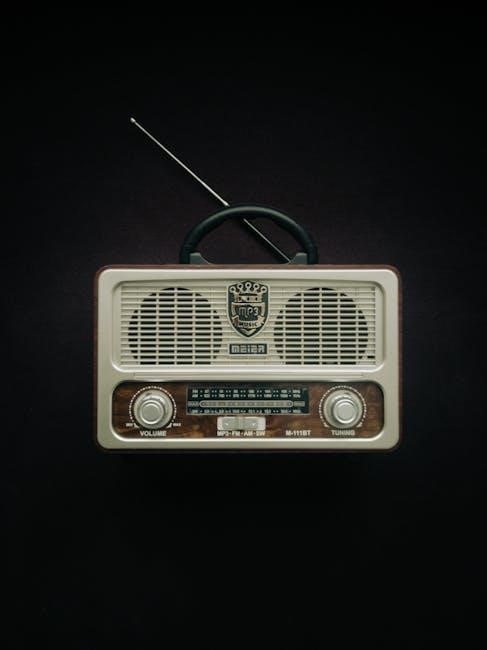
For maritime radio operators, obtaining a GMDSS Radio Operator License (DO) is crucial. Preparation involves mastering Element 1 and 7 questions, focusing on radiotelephone equipment operation aboard vessels and at aeronautical stations.
Dedicated practice test books are available, designed to streamline your study process. Successful completion demonstrates competency in vital safety communications protocols, essential for maritime professionals and emergency response.
XIII. Radio Operator Certification (ROC-A) Information
Aeronautical radio operators require a Radio Operator Certification ─ Aircraft (ROC-A) for operating radiotelephone equipment in aircraft and at aeronautical land stations. This certification validates proficiency in aeronautical communication procedures and regulations.

The ROC-A is a mandatory requirement for professionals ensuring safe and efficient air-ground communication. Thorough preparation and understanding of relevant FCC guidelines are essential for successful certification attainment and continued operational compliance.
XIV. Resources for New Ham Radio Operators
Newcomers to ham radio will find abundant resources for learning and preparation. The ARRL offers comprehensive license manuals, covering all exam elements. Numerous websites provide online practice tests, aiding in knowledge retention and exam readiness.
Explore ham radio communities for mentorship and guidance. Websites like HamUniverse offer antenna designs, safety information, and frequency guides. Don’t hesitate to “Ask Elmer” – experienced operators eager to share their expertise!
XV. Antenna Safety Guidelines
Prioritizing safety is crucial when working with antennas. Always ensure proper grounding to protect against lightning strikes and static discharge. Maintain a safe distance from power lines during installation and operation – a fatal contact is possible.
Be mindful of antenna height and structural support. Regularly inspect antennas for damage and corrosion. Utilize appropriate safety equipment, including gloves and eye protection, during maintenance and repairs.
XVI. Battery Technologies and Usage
Understanding battery types is vital for reliable operation. Lead-acid, NiMH, and Lithium-ion batteries each have unique characteristics regarding voltage, capacity, and lifespan. Proper charging techniques are essential to maximize battery performance and prevent damage.
Consider discharge rates and temperature effects. Store batteries in a cool, dry place. Always follow manufacturer’s recommendations for safe handling and disposal. Emergency power systems rely on well-maintained batteries!